AI & Ethicspublished on Oct 12, 2025
The Ethics of AI Content Detection in Education

Introduction to AI Detection Ethics
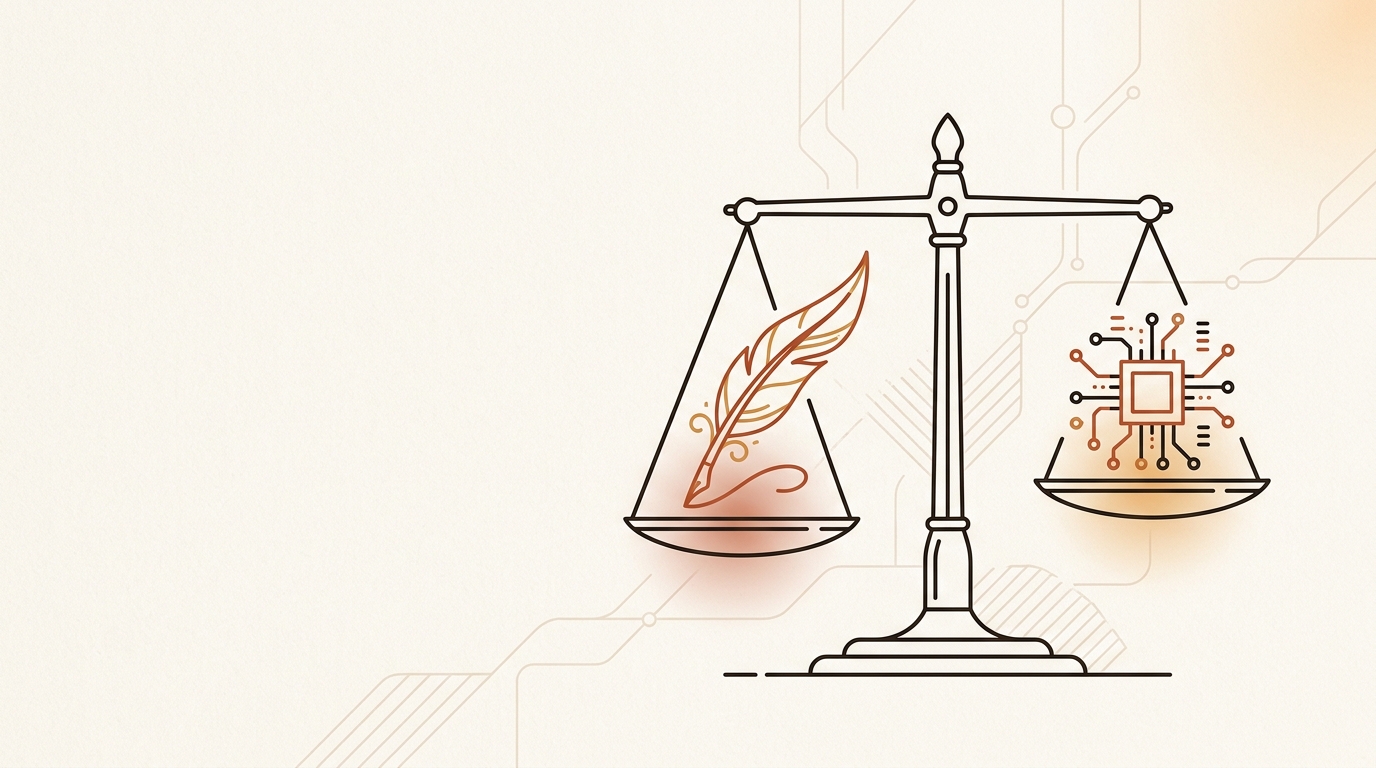
As AI content detection tools become increasingly prevalent in educational institutions, important ethical questions arise. How should these tools be used? What are the implications for students and educators? This article explores the ethical dimensions of AI content detection in education.
At StealthWrite, we believe in responsible AI use. Our AI Detector is designed to support academic integrity while respecting the nuances of modern education.
The Case for AI Detection in Education
Maintaining Academic Integrity
Academic integrity is foundational to education. When students submit AI-generated work as their own, it undermines the learning process and devalues legitimate achievements. AI detection helps maintain fair standards for all students.
Preserving Educational Value
Writing assignments develop critical thinking, communication skills, and subject mastery. If students bypass this process with AI, they miss valuable learning opportunities.
Preparing Students for Professional Life
In most careers, original thinking and authentic communication are essential. Students need to develop these skills during their education.
Ethical Concerns and Considerations
False Positives and Accusations
No AI detection tool is 100% accurate. False positives can unfairly accuse innocent students, causing stress and potential academic consequences. Institutions must have appeal processes and avoid relying solely on AI detection results.
Privacy Concerns
Submitting student work to third-party detection services raises privacy questions. Schools should be transparent about how student data is handled and protected.
Equity Issues
Not all students have equal access to AI tools or understanding of detection systems. This can create advantages for some students over others.
Defining "Appropriate" AI Use
The line between acceptable AI assistance (like grammar checking) and unacceptable AI use (like generating entire essays) is not always clear. Institutions need explicit policies.
Best Practices for Ethical AI Detection
1. Develop Clear Policies
Create explicit guidelines about acceptable AI use. Students should understand exactly what is and isn't allowed before submitting work.
2. Use Detection as One Tool Among Many
AI detection should be part of a broader approach to academic integrity, not the only measure. Combine with:
- In-class writing assessments
- Oral examinations and presentations
- Process-based assignments showing drafts
- Personalized questions that require specific knowledge
3. Focus on Education, Not Punishment
When AI-generated content is detected, use it as a teaching moment rather than immediately pursuing punitive measures. Help students understand why original work matters.
4. Ensure Due Process
Students should have the right to explain and appeal. High AI detection scores should trigger conversations, not automatic penalties.
5. Regular Policy Review
AI technology evolves rapidly. Policies should be reviewed and updated regularly to remain relevant and fair.
The Role of Educators
Teaching About AI
Rather than simply policing AI use, educators can teach students about:
- How AI writing tools work
- Appropriate ways to use AI assistance
- The importance of developing original thinking
- How to use AI ethically in their future careers
Designing AI-Resistant Assignments
Consider assignment designs that are harder to complete with AI:
- Personal reflection assignments
- Analysis of current events
- Building on in-class discussions
- Assignments requiring specific local knowledge
Student Perspectives
Understanding Student Motivations
Students may use AI for various reasons:
- Time pressure and overcommitment
- Lack of confidence in their writing
- Misunderstanding of academic expectations
- Viewing AI as a legitimate research tool
Addressing Root Causes
Rather than just detecting AI use, institutions should address underlying issues like excessive workloads and inadequate writing support.
The Future of AI in Education
AI is not going away. The goal should be integration, not elimination. Future education may involve:
- Teaching AI literacy as a core skill
- Assignments that explicitly incorporate AI use
- Assessments that evaluate how students work with AI
- Clear frameworks for ethical AI use
StealthWrite's Approach
At StealthWrite, we design our tools with ethics in mind:
- Our AI Detector provides nuanced results, not binary judgments
- We emphasize that detection results should inform, not determine, academic decisions
- Our writing tools support learning rather than replacing it
- We advocate for clear institutional policies on AI use
Conclusion
AI content detection in education raises complex ethical questions without simple answers. The key is approaching these challenges thoughtfully, with respect for both academic integrity and student welfare. By developing clear policies, using detection responsibly, and focusing on education rather than punishment, institutions can navigate this new landscape effectively.
Explore StealthWrite AI Detector and see how responsible AI detection can support your educational goals.
Share
Related Posts

AI & Ethics
Understanding the importance of AI transparency and how proper disclosure builds trust with your audience.
Dec 8, 2025
AI & Ethics
A comprehensive guide to navigating the ethical challenges of AI innovation while maintaining responsible practices in content creation.
Dec 7, 2025
AI & Ethics
The intersection of artificial intelligence and copyright law presents unprecedented challenges for content creators. Who owns AI-generated content? Can it be copyrighted? What are the legal risks? This comprehensive guide explores these questions and provides practical guidance for creators navigating this evolving landscape.
Oct 20, 2025