AI & Ethicspublished on Dec 8, 2025
AI Transparency: Why Disclosure Matters in Content Creation

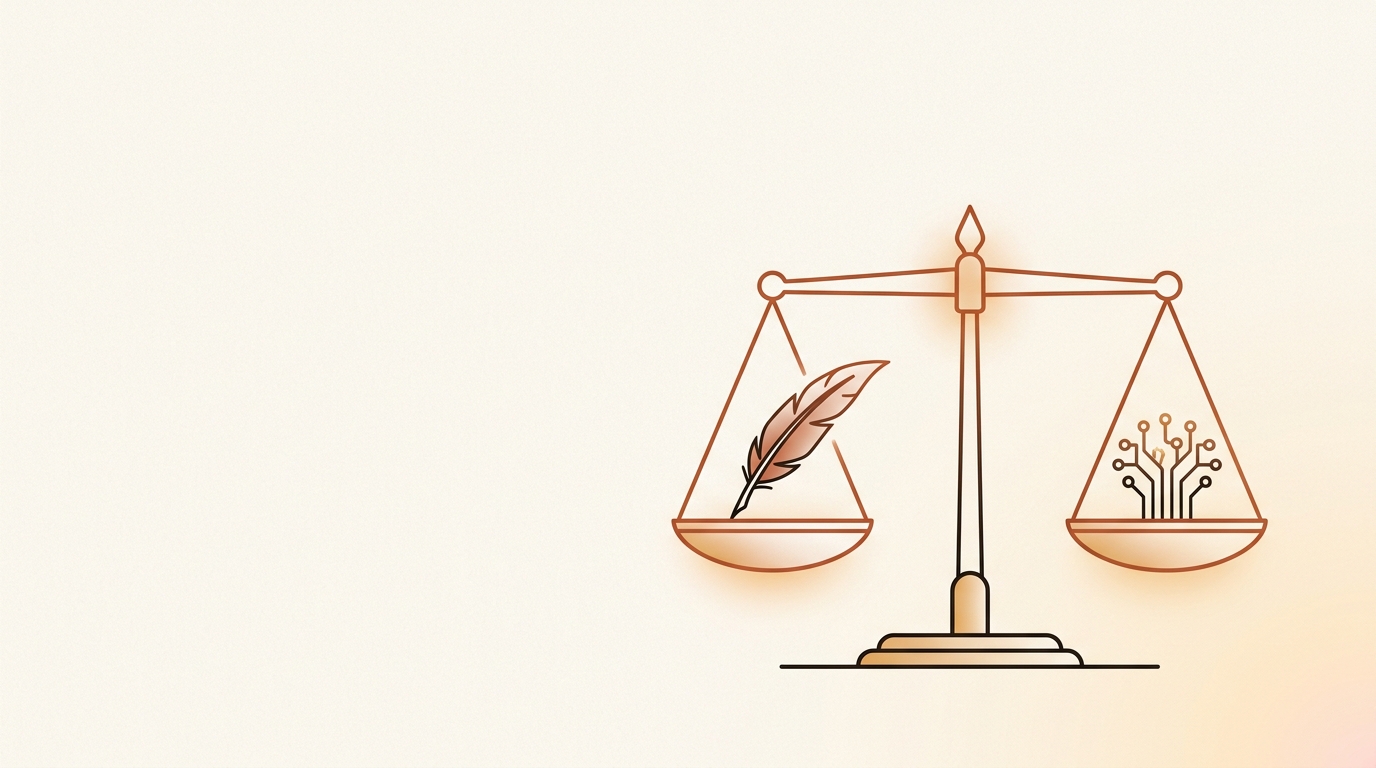
The Case for AI Transparency
In an era where AI can generate human-like content, transparency about AI use has become a critical ethical issue. Should creators disclose when they use AI? How much should they reveal? This guide explores these important questions.
Why Transparency Matters
Building Trust
Audiences appreciate honesty. Studies show that disclosed AI use often doesn't reduce trust—hiding it does.
Legal Compliance
Regulations are emerging worldwide requiring AI content disclosure in certain contexts, especially advertising and news.
Professional Integrity
In academic and professional settings, undisclosed AI use can be considered misconduct.
When to Disclose AI Use
Always disclose when:
- Required by law or platform rules
- In academic or educational contexts
- Creating content represented as personal opinion
- Generating news or factual content
Disclosure may be optional when:
- Using AI for basic grammar or spell checking
- AI assistance is standard industry practice
- Content is clearly fictional or creative
How to Disclose Effectively
Good disclosure is:
- Clear: Easy to understand
- Prominent: Not hidden in fine print
- Specific: Explains how AI was used
- Honest: Accurately represents the AI role
Examples of Good Disclosure
"This article was written with AI assistance and edited by our team."
"AI tools were used for research and initial drafting. All facts were verified by human editors."
"Created using AI, reviewed and refined by [Author Name]."
The Detection Perspective
AI detection tools like StealthWrite AI Detector exist partly because of transparency gaps. In an ideal world with full disclosure, detection might be unnecessary—but we are not there yet.
Industry Trends
Major platforms are implementing AI labeling:
- Social media platforms requiring AI content labels
- Search engines considering AI content signals
- Publishers developing AI use policies
StealthWrite and Transparency
StealthWrite supports transparency in the AI content ecosystem:
- AI Detector - Verify content authenticity
- AI Humanizer - For legitimate content enhancement
- Writing Tools - Ethical AI assistance
We believe in empowering users to make informed choices about AI in their content.
Share
Related Posts
AI & Ethics
A comprehensive guide to navigating the ethical challenges of AI innovation while maintaining responsible practices in content creation.
Dec 7, 2025
AI & Ethics
The intersection of artificial intelligence and copyright law presents unprecedented challenges for content creators. Who owns AI-generated content? Can it be copyrighted? What are the legal risks? This comprehensive guide explores these questions and provides practical guidance for creators navigating this evolving landscape.
Oct 20, 2025
AI & Ethics
As AI content detection tools become increasingly prevalent in educational institutions, important ethical questions arise. How do we balance the need for academic integrity with student privacy? What are the implications of false positives? This article explores the complex ethical landscape of AI detection in education.
Oct 12, 2025