AI & Ethicspublished on Dec 7, 2025
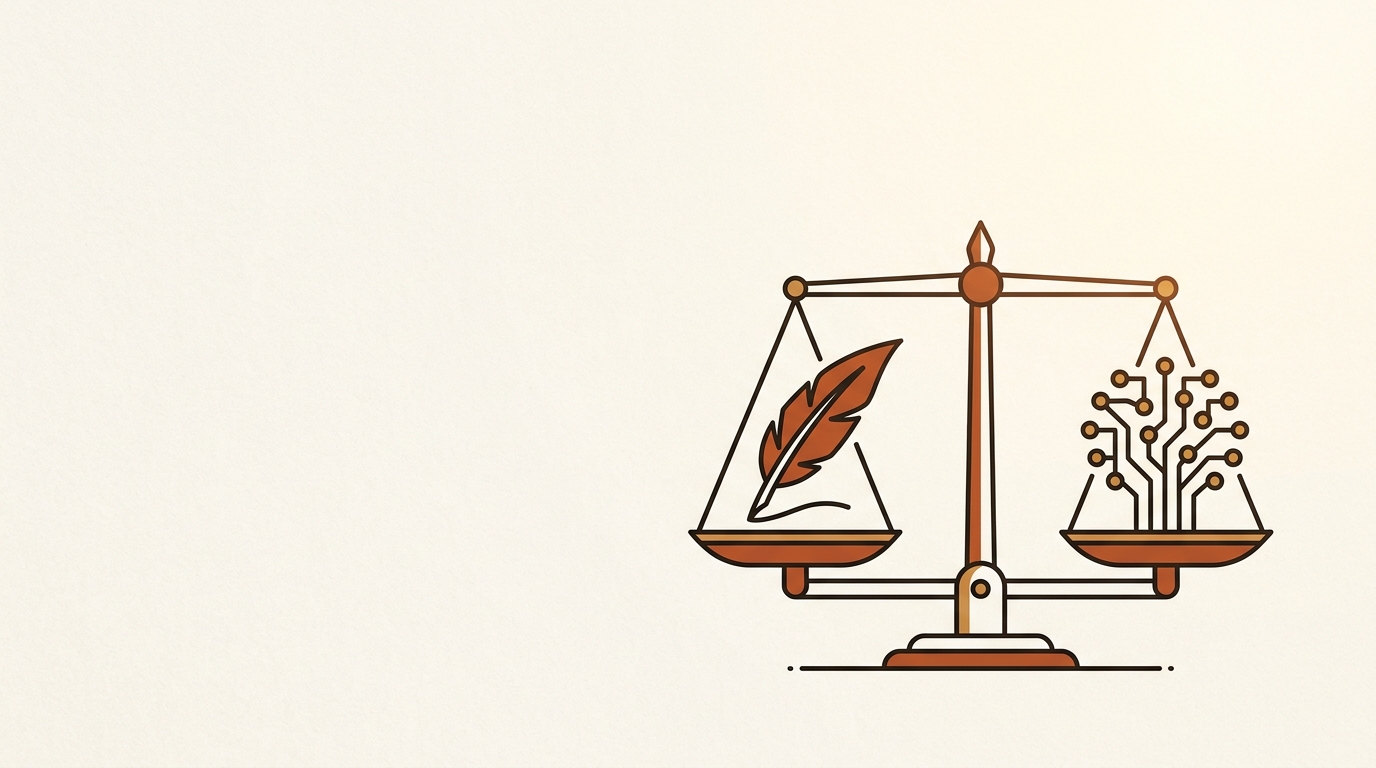
Balancing AI Innovation with Ethical Responsibility
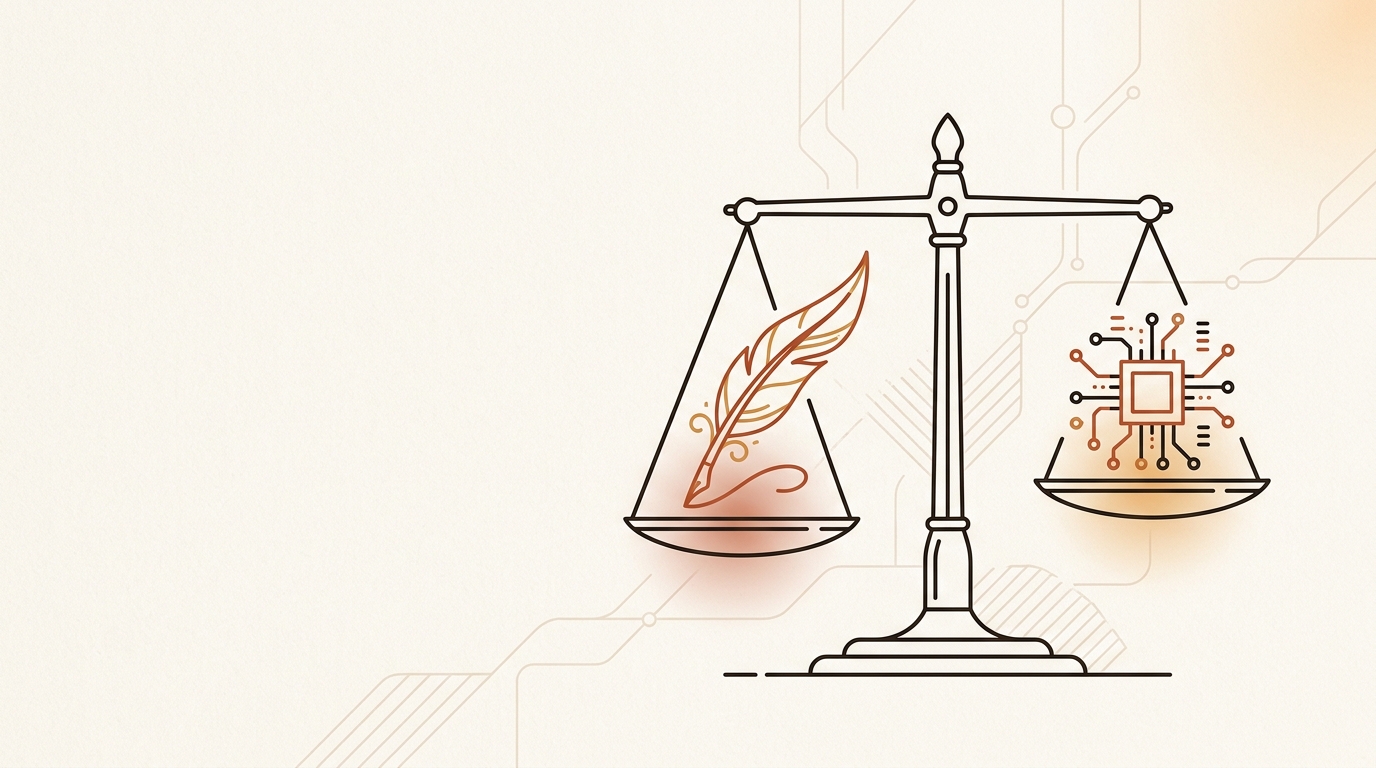
The Innovation-Ethics Balance
As AI technology advances rapidly, we face a fundamental challenge: how do we embrace innovation while maintaining ethical standards? This balance is crucial for sustainable AI development and adoption.
Why Ethics Matter in AI
AI systems make decisions that affect real people. Without ethical guardrails:
- Bias can be amplified at scale
- Privacy can be compromised
- Misinformation can spread faster
- Human creativity may be devalued
Frameworks for Ethical AI Use
1. Transparency
Be open about when and how AI is used. Users deserve to know if content was AI-assisted.
2. Accountability
Take responsibility for AI outputs. Human oversight remains essential even with advanced AI.
3. Fairness
Ensure AI systems don't discriminate or create unfair advantages.
4. Privacy Protection
Respect user data and implement strong privacy safeguards.
Ethical AI in Content Creation
For content creators, ethical AI use means:
- Using AI as a tool, not a replacement for human creativity
- Being transparent about AI assistance when appropriate
- Verifying AI-generated information for accuracy
- Maintaining your authentic voice and perspective
The Role of AI Detection
Tools like StealthWrite AI Detector play an important role in the ethics ecosystem by:
- Helping maintain authenticity standards
- Supporting academic integrity
- Enabling informed decisions about content
Moving Forward Responsibly
The goal isn't to restrict AI innovation but to guide it toward positive outcomes. By establishing clear ethical principles, we can:
- Build trust in AI-assisted content
- Protect human creativity and jobs
- Ensure AI benefits society broadly
StealthWrite's Ethical Commitment
At StealthWrite, we design our tools with ethics in mind:
- Our AI Detector supports transparency
- Our AI Humanizer enhances human creativity, not replaces it
- Our writing tools assist while keeping humans in control
Explore our tools and join us in promoting responsible AI use.
Share
Related Posts
AI & Ethics
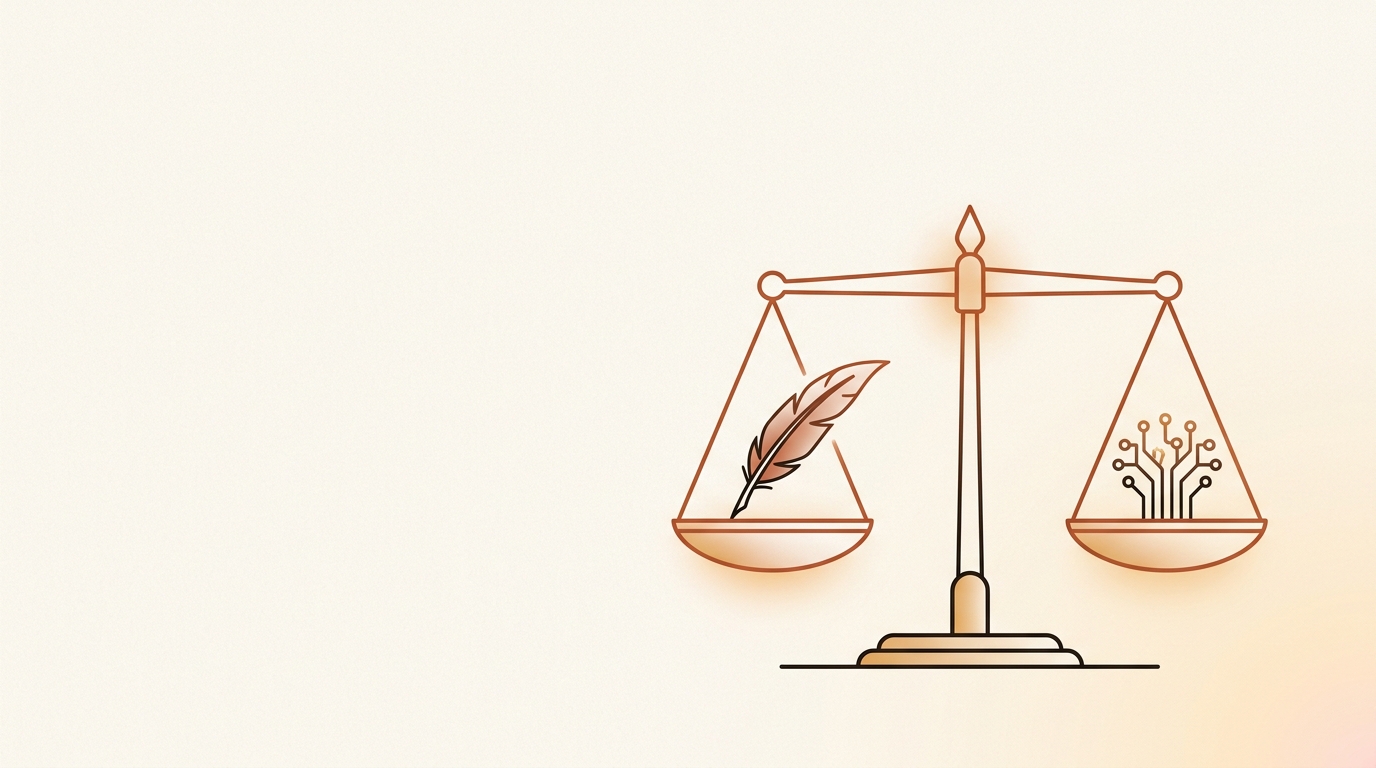
Understanding the importance of AI transparency and how proper disclosure builds trust with your audience.
Dec 8, 2025
AI & Ethics
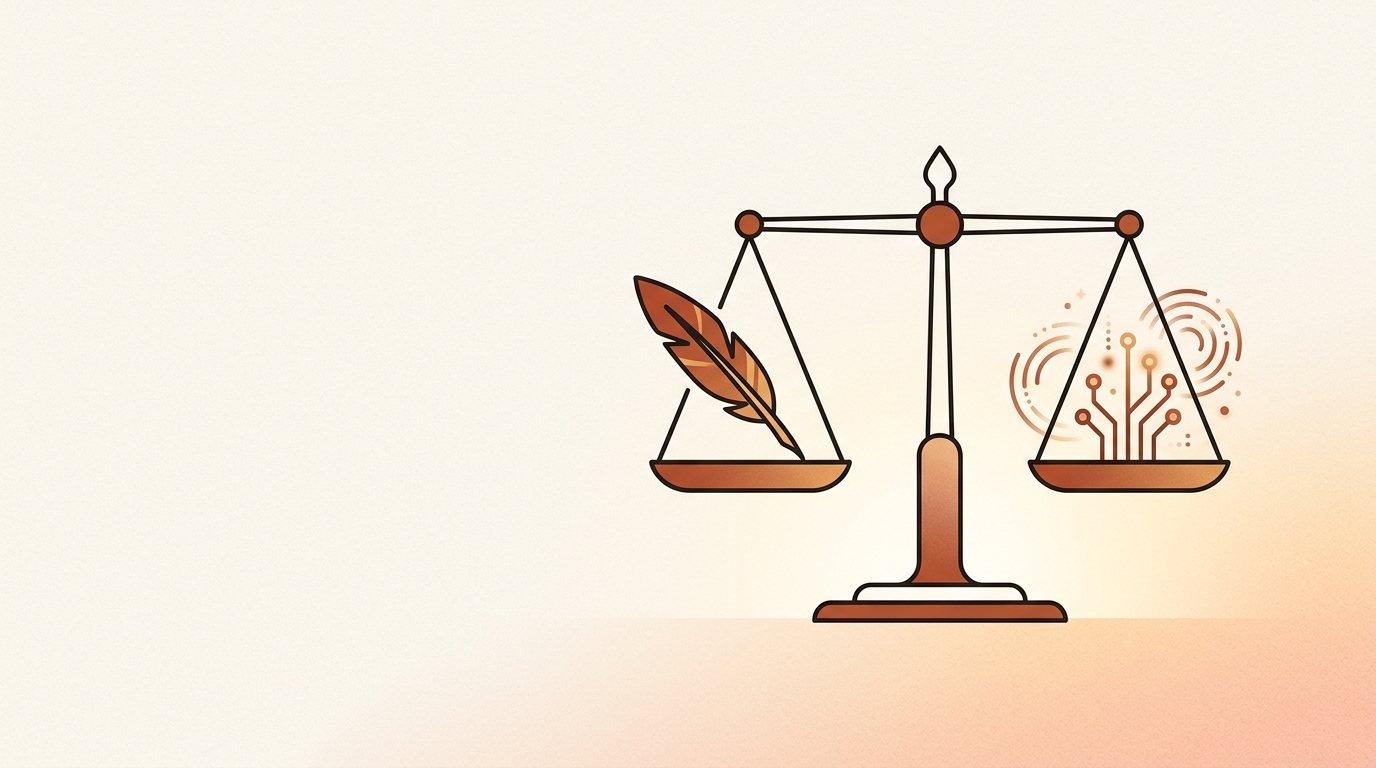
The intersection of artificial intelligence and copyright law presents unprecedented challenges for content creators. Who owns AI-generated content? Can it be copyrighted? What are the legal risks? This comprehensive guide explores these questions and provides practical guidance for creators navigating this evolving landscape.
Oct 20, 2025
AI & Ethics
As AI content detection tools become increasingly prevalent in educational institutions, important ethical questions arise. How do we balance the need for academic integrity with student privacy? What are the implications of false positives? This article explores the complex ethical landscape of AI detection in education.
Oct 12, 2025