Tipps und Anleitungenveröffentlicht am 8. Okt. 2025
KI-Schreibassistenten Verantwortungsvoll Nutzen

Understanding AI Writing Assistants
AI writing assistants are tools that use artificial intelligence to help with various writing tasks, from generating ideas to polishing final drafts. Understanding what they can and cannot do is essential for effective use.
What AI Assistants Do Well
- Generate ideas and overcome writer's block
- Provide alternative phrasings and word choices
- Check grammar and improve clarity
- Help with research and information gathering
- Speed up routine writing tasks
What AI Assistants Cannot Replace
- Original critical thinking and analysis
- Personal experiences and authentic voice
- Emotional intelligence and nuance
- Accountability for accuracy
- Creative vision and artistic direction
Best Practices for Responsible Use
1. Use AI as a Starting Point, Not an Endpoint
AI-generated content should be a foundation you build upon, not a finished product. Always:
- Review and fact-check all AI output
- Add your own insights and perspective
- Ensure the content matches your voice
- Edit for accuracy and relevance
2. Be Transparent When Appropriate
Consider disclosure requirements:
- Academic settings typically require disclosure
- Some publications have AI content policies
- Client relationships may require transparency
- Legal and professional contexts have specific rules
3. Maintain Your Unique Voice
Don't let AI homogenize your writing:
- Infuse personality into AI-assisted content
- Use AI suggestions as inspiration, not dictation
- Develop your style through regular practice
- Read widely to expand your own expression
4. Verify All Information
AI can generate plausible-sounding but incorrect information:
- Cross-reference facts with reliable sources
- Check statistics and data points
- Verify quotes and attributions
- Be especially careful with technical content
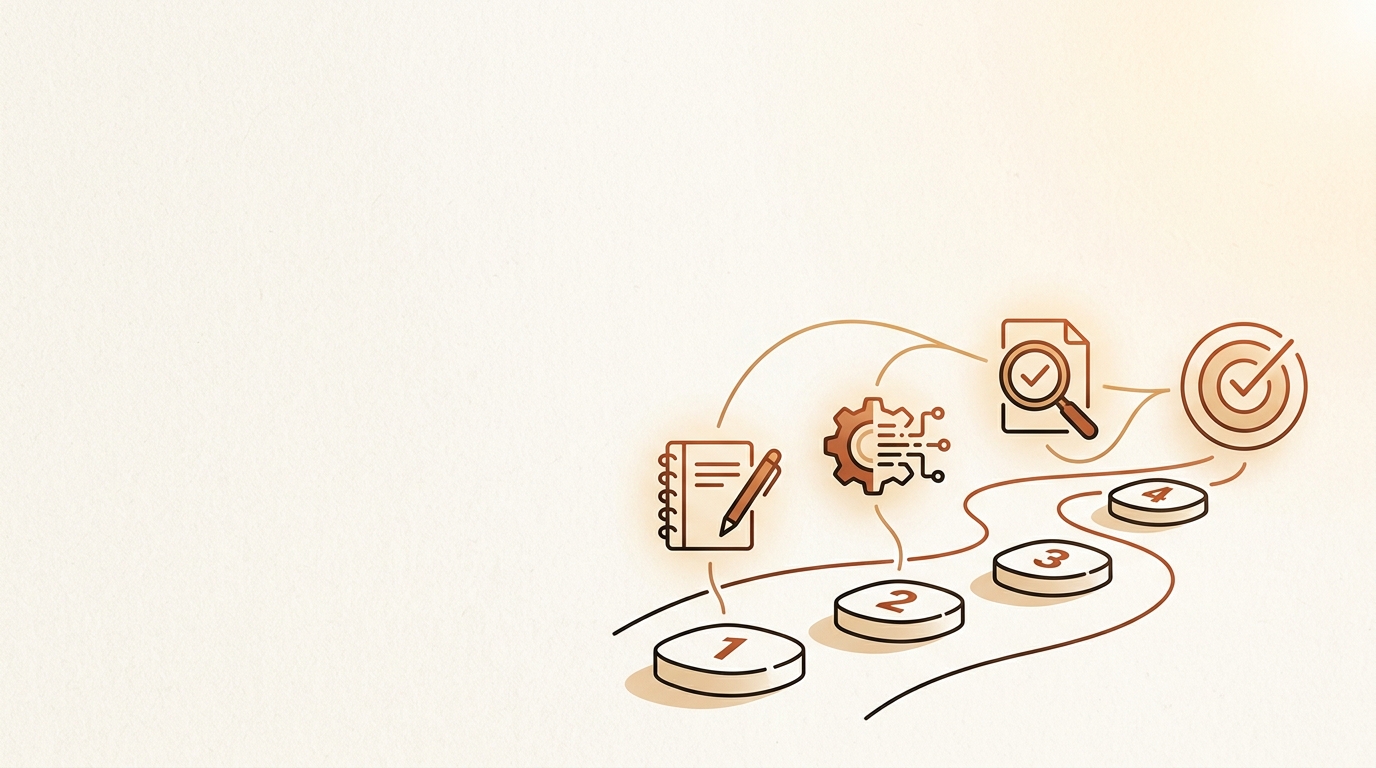
Effective Workflow Integration
Ideation Phase
Use AI to brainstorm topics, angles, and outlines. Generate multiple options and select the most promising directions.
Drafting Phase
AI can help overcome blank page syndrome. Use it to create rough drafts that you then substantially revise and personalize.
Editing Phase
Leverage AI for grammar checking, style suggestions, and clarity improvements. But always apply human judgment to accept or reject suggestions.
Research Phase
AI can summarize information and identify relevant topics to explore, but always verify with primary sources.
Avoiding Common Pitfalls
Over-Reliance
Don't let AI skills atrophy your own abilities. Continue developing your writing craft independently.
Generic Output
AI tends toward average, common responses. Push beyond the obvious by asking for alternatives and adding your own twist.
Ethical Boundaries
Never use AI to deceive, plagiarize, or misrepresent authorship in contexts where it matters.
The Future of AI-Assisted Writing
As AI tools evolve, so should our practices. Stay informed about new capabilities and emerging best practices in your field.
Conclusion
AI writing assistants are powerful tools that, when used responsibly, can enhance your productivity and creativity. The key is maintaining the human elements that make writing meaningful while leveraging AI's strengths to support your work.
Testen Sie den KI-Detektor und den AI Humanizer von StealthWrite, um diese Ideen in die Praxis umzusetzen.
Teilen
Verwandte Beiträge
Tipps und Anleitungen
Akademisches Schreiben hat spezifische Konventionen. Dieser Leitfaden behandelt die Grundlagen.
25. Okt. 2025
Tipps und Anleitungen
Blog-Beiträge zu schreiben, die Leser wirklich fesseln, ist sowohl Kunst als auch Wissenschaft.
18. Okt. 2025
Tipps und Anleitungen
Das Erstellen von originellem Inhalt ist sowohl Kunst als auch Wissenschaft. Diese zehn Tipps helfen Ihnen.
5. Okt. 2025